
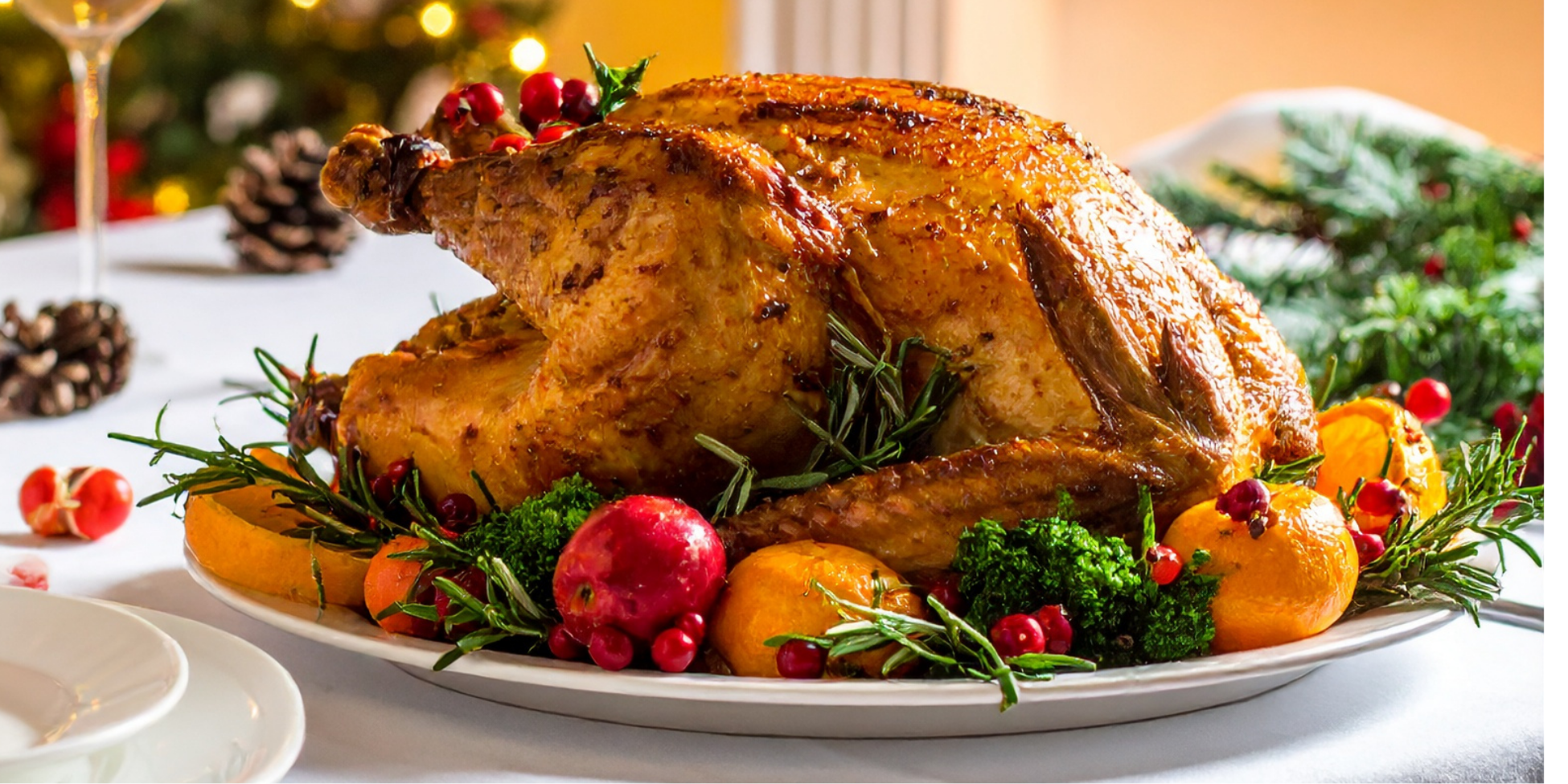
Serve a Safe, Stress-Free Christmas for Foodservice – Keep Guests Happy and Sales High
Did you know that around 83% of U.S. adults plan to celebrate Christmas this year?
That makes Christmas a high‑demand period for festive meals — a prime opportunity for restaurants and caterers to offer holiday menus, bundles or take‑out options that meet diners’ needs while maintaining allergen safety.
Christmas Dining Demand: Are You Operationally Ready?
More people are choosing to celebrate Christmas dinner outside the home.
Recent research shows that
64% of diners plan to order at least one holiday item from a restaurant — and
37% may order their entire festive meal! This highlights a growing consumer preference for restaurant-prepared Christmas dining.
While good news for business, the holiday rush brings operational pressures with higher footfall, seasonal menus, specials, and large catering orders all increase the likelihood of allergen cross-contact, disrupted food supplies, and potential errors.
On top of this, restaurants often hire new or seasonal staff, who need to be trained on allergen workflows. Combined with staff absences from flu season and planned Christmas leave, this period puts extra pressure on already stretched resources.
By planning ahead, operators can still deliver exceptional festive dining experiences that keep guests safe, build trust, and maximize revenue — ensuring a smooth and successful Christmas service for all.
Allergens on Seasonal & Christmas Menus
While festive menus differ by venue, they usually feature a mix of mains, sides, sauces, and classic desserts. “Traditional” Christmas dishes often contain several allergens.
The table below outlines a typical Christmas lunch and highlights the most common allergens found in these dishes.
| Course | Dish | Likely Allergens – Ingredient Source |
|---|---|---|
| Main Courses | Glazed Ham | Soy – soy sauce or teriyaki glaze, Wheat – thickener in glaze, Milk – optional butter in glaze |
| Roast Turkey & Gravy | Wheat – flour or thickener in gravy, Milk – butter or cream, Soy, Celery – stock or stock cube | |
| Sides | Brussels Sprouts with Gravy | Milk – butter or cream in sauce, Wheat – flour in gravy, Soy – soy sauce or seasoning if used |
| Green Bean Casserole | Milk – cream or soup base, Soy – soy sauce, Wheat – flour in sauce or fried onions | |
| Mashed Potatoes | Milk – milk, cream, or butter | |
| Stuffing / Dressing | Wheat – bread, Eggs – binding, Milk – milk or butter, Tree Nuts – added nuts | |
| Sesame Seed Bread Rolls | Wheat – flour, Sesame – seeds, Milk – milk or butter, Eggs – egg wash or dough | |
| Desserts | Apple Pie | Wheat – pastry, Milk – butter in pastry, Eggs – egg wash |
| Christmas Pudding / Fruitcake | Eggs – binding, Milk – milk or butter, Tree Nuts – mixed nuts, Wheat – flour | |
| Gingerbread | Wheat – flour, Eggs – binding, Milk – milk or butter, Tree Nuts – nuts in dough or topping | |
| Drinks | Eggnog | Milk – milk or cream, Eggs – egg base, Tree Nuts – almond or nut liqueurs |
Disclaimer: This table is provided as a guide to give foodservice staff examples of where allergens can be found in typical dishes and should not be relied upon as a comprehensive allergen statement. Always use a digital recipe and menu management (RMM) system to verify allergen information and check every recipe thoroughly to ensure accuracy and compliance with legal requirements.
Planning for a Safe, Successful Christmas Service
To make the most of the holiday demand while keeping guests safe and operations smooth, consider the following –
| Action | Details & Benefits |
|---|---|
| Get Feedback & Monitor Incidents | Track orders, customer feedback, and any allergen‑related issues to improve future services. |
| Create Holiday Meal Bundles | Offer complete festive meals (main + sides + dessert) for pickup or delivery, with allergens clearly labelled. |
| Encourage Pre‑Orders | Reduce last‑minute rush, manage ingredient stock, and prevent waste. |
| Develop Inclusive Menus | Provide clear allergen information and menu options for all guests. Use digital tools to filter by allergens and understand which dishes can be modified safely. |
| Manage Christmas Parties & Events | Seasonal parties and corporate events often involve buffet-style service, shared platters, or high-volume catering. Reduce allergen risk by clearly labeling dishes, keeping separate serving utensils, and briefing staff on cross-contact prevention. Consider pre-packaged or portion-controlled options for safer handling. |
| Plan Staffing & Logistics | Allocate staff and resources to meet expected holiday demand efficiently, especially for take‑out and delivery orders. |
| Minimize Cross-Contact | Identify where cross-contact is likely and separate workstations and utensils where possible. Implement strict cleaning routines, and clearly communicate the risk to guests when it cannot be fully eliminated. |
| Train Staff Before Peak Season | Ensure awareness of allergen risks and safe handling when seasonal dishes or specials are introduced. |
| Use RMM (recipe and menu management) Systems | Keep recipe, ingredient, and allergen data linked and up to date across menus to reduce errors. |
These actions helps ensure allergen risks are managed effectively across all festive dishes.
By aligning festive menu planning with allergen safety, operators can meet holiday demand, protect guests, and build loyalty — turning Christmas into a season of revenue and trust.
Happy Holidays!
Prepare Your Christmas Strategy Today
Download templates, allergen‑management tools, and holiday planning resources to deliver safe, compliant festive menus at scale.
Talk to an Expert Download ResourcesContext: The Allergen Disclosure for Dining Experiences (ADDE) Act applies to restaurant chains with 20 or more U.S. locations and requires public allergen disclosure by July 1, 2026. Administered by the California Department of Public Health (CDPH).