
Tag: Allergen Management

  • Delivery Apps and Allergens: Who is Responsible?

    Delivery Apps and Allergens: Who is Responsible?

    Delivery Apps and Allergens: Who is Responsible?

    Third-party apps deliver your food — but you’re responsible for the allergen information

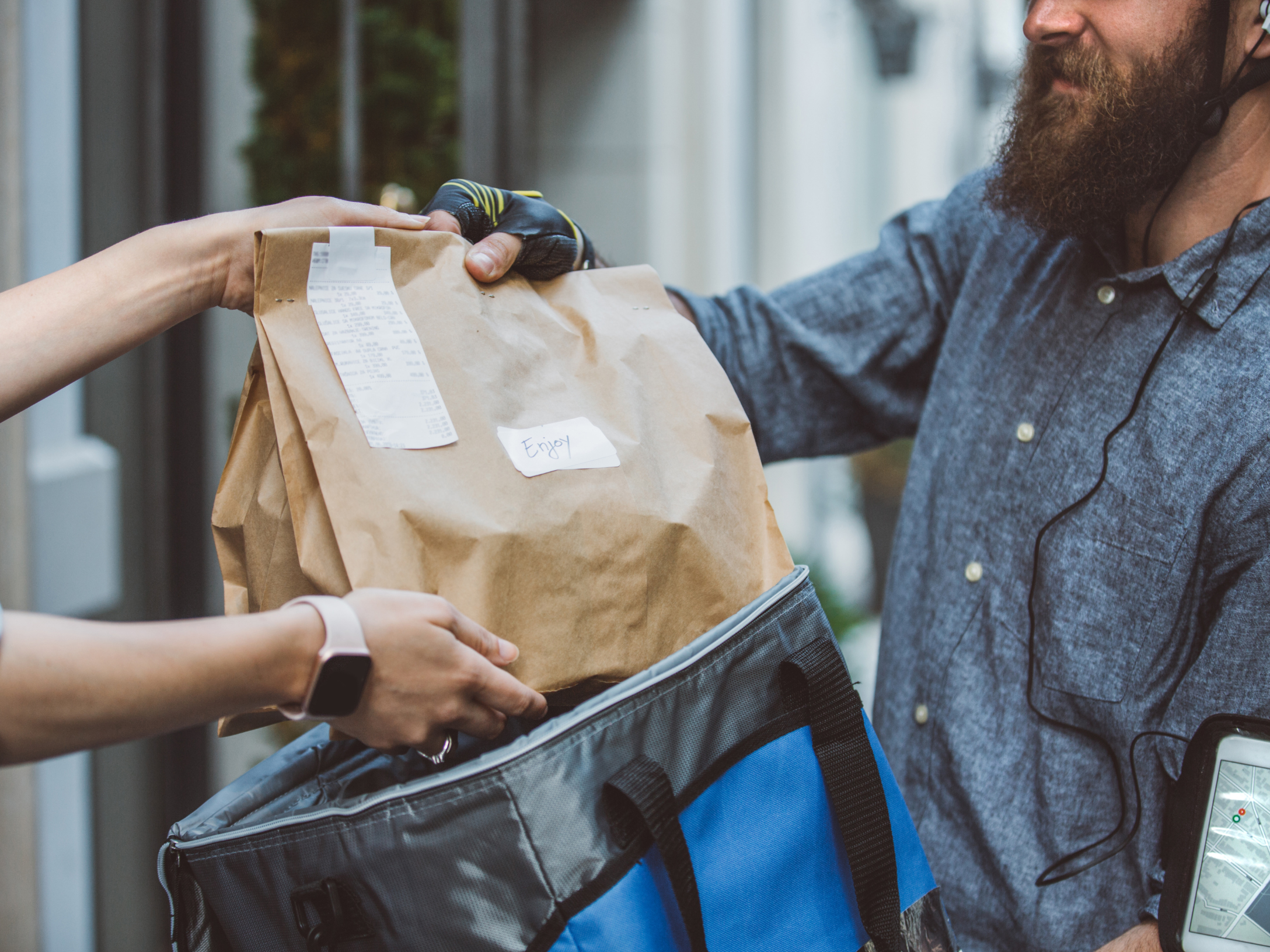
    Whether you are coordinating high-volume US delivery via DoorDash, Uber Eats, or Grubhub, the responsibility for providing accurate allergen information remains with you as the operator.

    With California requiring allergens on menus by July 1, 2026 under the Allergen Disclosure for Dining Experiences (ADDE Act) also known as SB-68, transparency is no longer optional. Mismanaged data doesn’t just impact guest safety; it poses a direct threat to your brand’s operational efficiency and financial health.

    Who Really Controls Your Allergen Data?

    While third-party platforms facilitate delivery, restaurants are legally the source of truth for their ingredients and recipes. To secure your operations, treat third-party platforms with the same standards as your primary menus.

    Using a digital recipe and menu management solution ensures your on-site menus, online menus, and third-party apps stay up to date — providing an extra layer of safety for both your operation and your guests.

    Operational & Financial Risks You Can’t Ignore

    Failing to synchronize digital menus with your kitchen reality leads to preventable errors and lost revenue.

    Allergen data that is not kept up to date can result in –

    • Guest safety incidents and potential legal action
    • Damage to brand reputation and lost customer loyalty
    • Operational inefficiencies and increased labor costs
    • Financial penalties under state legislation such as California’s SB-68

    Understanding these risks helps you establish a clear, automated data flow, ensuring accurate menu management and maintaining control across all delivery channels.

    Where Can Allergens Go Wrong?

    The table below outlines typical areas where allergen information can drift from your recipes to delivery apps, and the challenges operators face.

    Risk Area Typical Operator Challenge
    Manual menu uploads Allergen details may not fully match current recipes when entered into app dashboards
    Recipe or vendor changes Ingredient substitutions not reflected in digital menus promptly
    Disconnected systems Point of Sale (POS), recipe, and app menus managed separately, causing inconsistencies
    Platform display limits Allergen notes truncated or inconsistently shown across apps
    Seasonal or special menus Temporary or holiday dishes may not be consistently uploaded to all platforms
    Staff turnover / training gaps New or temporary staff may miss steps for updating allergen information accurately
    Ingredient substitutions during prep On-site changes (e.g., swapping ingredients) may not be reflected online immediately
    Multiple locations / franchise inconsistencies Variations in recipes or prep practices across locations create discrepancies
    Customer customization requests Modifications via apps (e.g., “no nuts” or “extra sauce”) may not automatically update allergen info
    Delayed platform updates Even correct internal changes may take time to sync with third-party apps
    Treat delivery platforms as a digital extension of your kitchen. If ingredient substitutions are made on-site without being reflected on apps, the resulting liability belongs to the operator.

    Maintaining a single, central source of truth across all platforms reduces these errors and ensures safe, consistent service for every guest.

    Take Control of Your Digital Menus

    Discover how centralized recipe and allergen management supports safe, compliant delivery at scale.

    Talk to an Expert Download Resources

    Context: California’s ADDE Act applies to restaurant chains with 20 or more US locations and requires public allergen disclosure by July 1, 2026. Digital allergen transparency is a critical operational standard.
  • Is Your Restaurant Putting Guests at Risk? Find Out with Our Free Allergen Risk Check

    Is Your Restaurant Putting Guests at Risk? Find Out with Our Free Allergen Risk Check

    Allergen Risk Check | Food Service Operators

    How Confident Are You in Your Allergen Management? Check Your Risk in 1 Minute

    California will require allergens on menus by July – meaning every dish you serve must clearly list the 9 major allergens, from peanuts and wheat to milk and shellfish.

    It’s not just about following the law, it’s about keeping your guests safe and confident when dining with you.

    For busy kitchens, keeping track of allergens can feel overwhelming, but a few practical steps can make it simple and manageable.

    Our quick 1-minute check helps you see where your allergen management is strong, identify any gaps, and get clear recommendations that you can put into action immediately — no email, sign-ups or forms required!

    Assess Your Allergen Risk in 60 Seconds

    Quick, simple, and no email required – get recommendations instantly

    Transform compliance into customer confidence

    Leverage Nutritics’ connected systems to track allergens, integrate supplier data, and ensure real‑time, audit‑ready communication with guests.

    Talk to an expert Access resources Register for our webinar
  • Christmas in U.S. Restaurants: Are Your Operations Allergy-Safe?

    Christmas in U.S. Restaurants: Are Your Operations Allergy-Safe?

    Christmas in U.S. Restaurants: Are Your Operations Allergy-Safe?

    Serve a Safe, Stress-Free Christmas for Foodservice – Keep Guests Happy and Sales High

    Did you know that around 83% of U.S. adults plan to celebrate Christmas this year?

    That makes Christmas a high‑demand period for festive meals — a prime opportunity for restaurants and caterers to offer holiday menus, bundles or take‑out options that meet diners’ needs while maintaining allergen safety.

    Christmas Dining Demand: Are You Operationally Ready?

    More people are choosing to celebrate Christmas dinner outside the home.

    Recent research shows that 64% of diners plan to order at least one holiday item from a restaurant — and 37% may order their entire festive meal! This highlights a growing consumer preference for restaurant-prepared Christmas dining.

    While good news for business, the holiday rush brings operational pressures with higher footfall, seasonal menus, specials, and large catering orders all increase the likelihood of allergen cross-contact, disrupted food supplies, and potential errors.

    On top of this, restaurants often hire new or seasonal staff, who need to be trained on allergen workflows. Combined with staff absences from flu season and planned Christmas leave, this period puts extra pressure on already stretched resources.

    By planning ahead, operators can still deliver exceptional festive dining experiences that keep guests safe, build trust, and maximize revenue — ensuring a smooth and successful Christmas service for all.

    As holiday demand rises, run a refresher training on allergen awareness and ensure your team ask all guests about allergies — at booking or on arrival — to meet their needs safely.

    Allergens on Seasonal & Christmas Menus

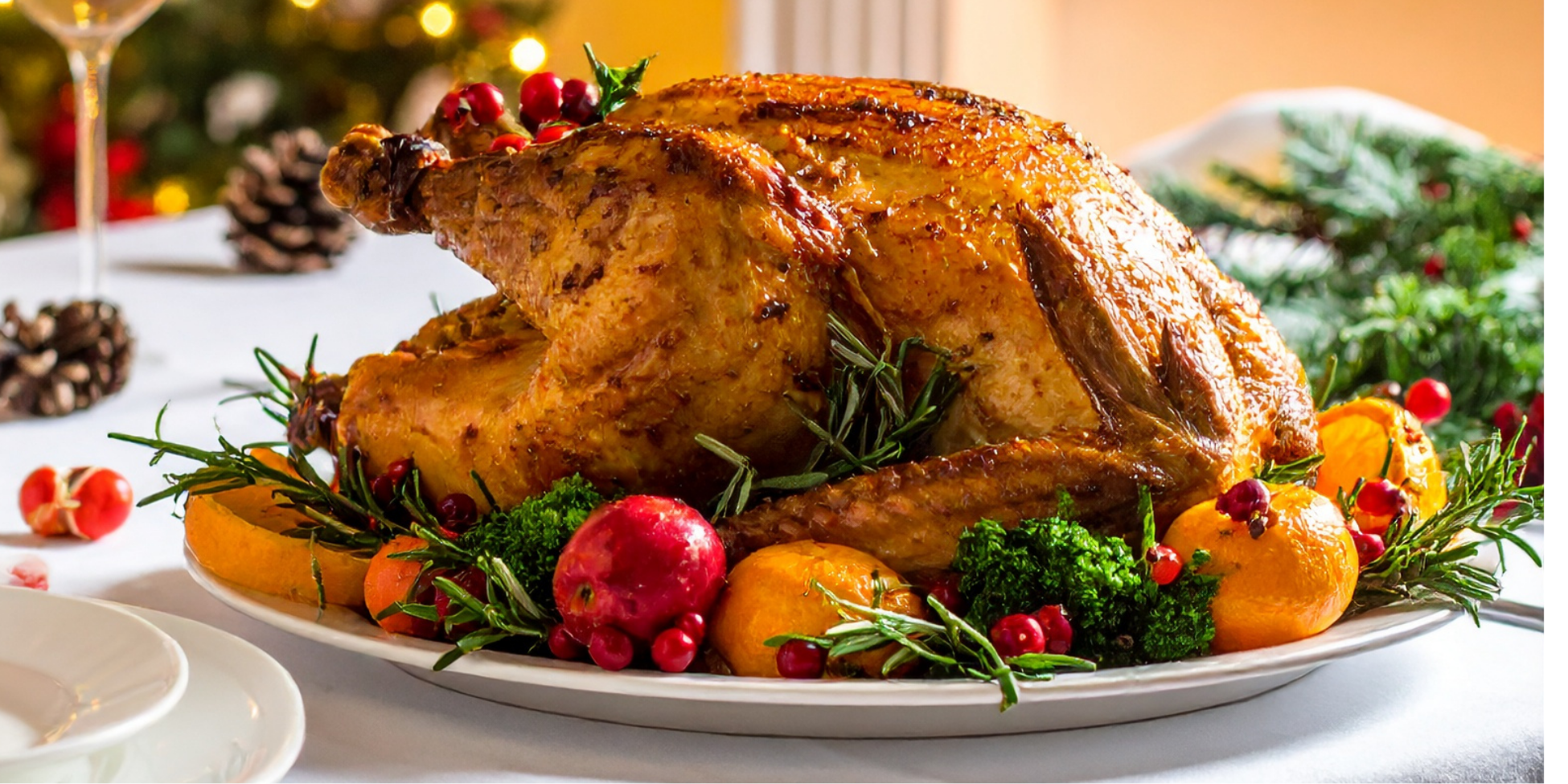
    While festive menus differ by venue, they usually feature a mix of mains, sides, sauces, and classic desserts. “Traditional” Christmas dishes often contain several allergens.

    The table below outlines a typical Christmas lunch and highlights the most common allergens found in these dishes.

    Course Dish Likely Allergens – Ingredient Source
    Main Courses Glazed Ham Soy – soy sauce or teriyaki glaze, Wheat – thickener in glaze, Milk – optional butter in glaze
    Roast Turkey & Gravy Wheat – flour or thickener in gravy, Milk – butter or cream, Soy, Celery – stock or stock cube
    Sides Brussels Sprouts with Gravy Milk – butter or cream in sauce, Wheat – flour in gravy, Soy – soy sauce or seasoning if used
    Green Bean Casserole Milk – cream or soup base, Soy – soy sauce, Wheat – flour in sauce or fried onions
    Mashed Potatoes Milk – milk, cream, or butter
    Stuffing / Dressing Wheat – bread, Eggs – binding, Milk – milk or butter, Tree Nuts – added nuts
    Sesame Seed Bread Rolls Wheat – flour, Sesame – seeds, Milk – milk or butter, Eggs – egg wash or dough
    Desserts Apple Pie Wheat – pastry, Milk – butter in pastry, Eggs – egg wash
    Christmas Pudding / Fruitcake Eggs – binding, Milk – milk or butter, Tree Nuts – mixed nuts, Wheat – flour
    Gingerbread Wheat – flour, Eggs – binding, Milk – milk or butter, Tree Nuts – nuts in dough or topping
    Drinks Eggnog Milk – milk or cream, Eggs – egg base, Tree Nuts – almond or nut liqueurs

    Disclaimer: This table is provided as a guide to give foodservice staff examples of where allergens can be found in typical dishes and should not be relied upon as a comprehensive allergen statement. Always use a digital recipe and menu management (RMM) system to verify allergen information and check every recipe thoroughly to ensure accuracy and compliance with legal requirements.

    Planning for a Safe, Successful Christmas Service

    To make the most of the holiday demand while keeping guests safe and operations smooth, consider the following –

    Action Details & Benefits
    Get Feedback & Monitor Incidents Track orders, customer feedback, and any allergen‑related issues to improve future services.
    Create Holiday Meal Bundles Offer complete festive meals (main + sides + dessert) for pickup or delivery, with allergens clearly labelled.
    Encourage Pre‑Orders Reduce last‑minute rush, manage ingredient stock, and prevent waste.
    Develop Inclusive Menus Provide clear allergen information and menu options for all guests. Use digital tools to filter by allergens and understand which dishes can be modified safely.
    Manage Christmas Parties & Events Seasonal parties and corporate events often involve buffet-style service, shared platters, or high-volume catering. Reduce allergen risk by clearly labeling dishes, keeping separate serving utensils, and briefing staff on cross-contact prevention. Consider pre-packaged or portion-controlled options for safer handling.
    Plan Staffing & Logistics Allocate staff and resources to meet expected holiday demand efficiently, especially for take‑out and delivery orders.
    Minimize Cross-Contact Identify where cross-contact is likely and separate workstations and utensils where possible. Implement strict cleaning routines, and clearly communicate the risk to guests when it cannot be fully eliminated.
    Train Staff Before Peak Season Ensure awareness of allergen risks and safe handling when seasonal dishes or specials are introduced.
    Use RMM (recipe and menu management) Systems Keep recipe, ingredient, and allergen data linked and up to date across menus to reduce errors.

    These actions helps ensure allergen risks are managed effectively across all festive dishes.

    By aligning festive menu planning with allergen safety, operators can meet holiday demand, protect guests, and build loyalty — turning Christmas into a season of revenue and trust.

    Happy Holidays!

    Prepare Your Christmas Strategy Today

    Download templates, allergen‑management tools, and holiday planning resources to deliver safe, compliant festive menus at scale.

    Talk to an Expert Download Resources

    Context: The Allergen Disclosure for Dining Experiences (ADDE) Act applies to restaurant chains with 20 or more U.S. locations and requires public allergen disclosure by July 1, 2026. Administered by the California Department of Public Health (CDPH).