
Tag: food service

  • Delivery Apps and Allergens: Who is Responsible?

    Delivery Apps and Allergens: Who is Responsible?

    Delivery Apps and Allergens: Who is Responsible?

    Third-party apps deliver your food — but you’re responsible for the allergen information

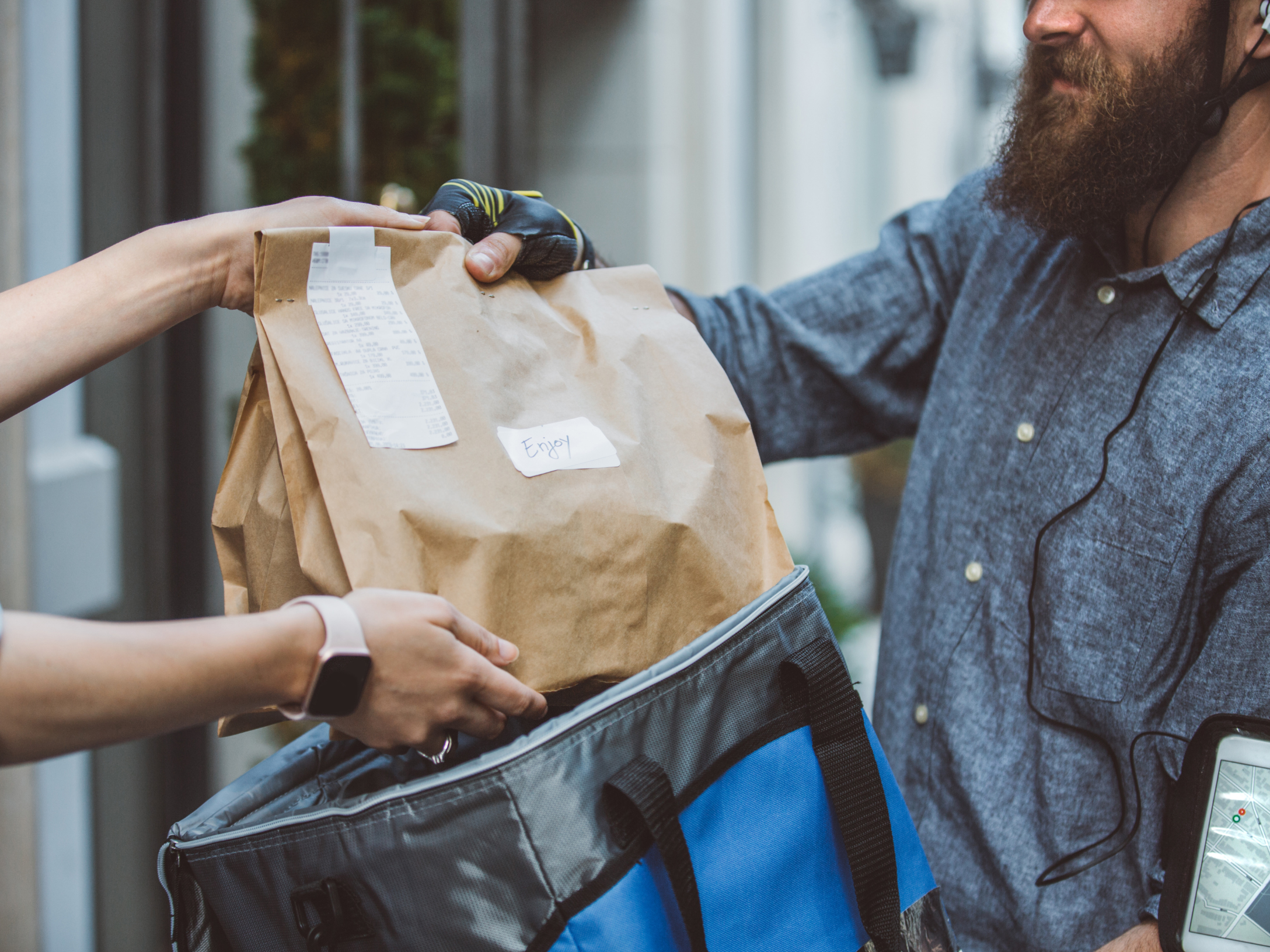
    Whether you are coordinating high-volume US delivery via DoorDash, Uber Eats, or Grubhub, the responsibility for providing accurate allergen information remains with you as the operator.

    With California requiring allergens on menus by July 1, 2026 under the Allergen Disclosure for Dining Experiences (ADDE Act) also known as SB-68, transparency is no longer optional. Mismanaged data doesn’t just impact guest safety; it poses a direct threat to your brand’s operational efficiency and financial health.

    Who Really Controls Your Allergen Data?

    While third-party platforms facilitate delivery, restaurants are legally the source of truth for their ingredients and recipes. To secure your operations, treat third-party platforms with the same standards as your primary menus.

    Using a digital recipe and menu management solution ensures your on-site menus, online menus, and third-party apps stay up to date — providing an extra layer of safety for both your operation and your guests.

    Operational & Financial Risks You Can’t Ignore

    Failing to synchronize digital menus with your kitchen reality leads to preventable errors and lost revenue.

    Allergen data that is not kept up to date can result in –

    • Guest safety incidents and potential legal action
    • Damage to brand reputation and lost customer loyalty
    • Operational inefficiencies and increased labor costs
    • Financial penalties under state legislation such as California’s SB-68

    Understanding these risks helps you establish a clear, automated data flow, ensuring accurate menu management and maintaining control across all delivery channels.

    Where Can Allergens Go Wrong?

    The table below outlines typical areas where allergen information can drift from your recipes to delivery apps, and the challenges operators face.

    Risk Area Typical Operator Challenge
    Manual menu uploads Allergen details may not fully match current recipes when entered into app dashboards
    Recipe or vendor changes Ingredient substitutions not reflected in digital menus promptly
    Disconnected systems Point of Sale (POS), recipe, and app menus managed separately, causing inconsistencies
    Platform display limits Allergen notes truncated or inconsistently shown across apps
    Seasonal or special menus Temporary or holiday dishes may not be consistently uploaded to all platforms
    Staff turnover / training gaps New or temporary staff may miss steps for updating allergen information accurately
    Ingredient substitutions during prep On-site changes (e.g., swapping ingredients) may not be reflected online immediately
    Multiple locations / franchise inconsistencies Variations in recipes or prep practices across locations create discrepancies
    Customer customization requests Modifications via apps (e.g., “no nuts” or “extra sauce”) may not automatically update allergen info
    Delayed platform updates Even correct internal changes may take time to sync with third-party apps
    Treat delivery platforms as a digital extension of your kitchen. If ingredient substitutions are made on-site without being reflected on apps, the resulting liability belongs to the operator.

    Maintaining a single, central source of truth across all platforms reduces these errors and ensures safe, consistent service for every guest.

    Take Control of Your Digital Menus

    Discover how centralized recipe and allergen management supports safe, compliant delivery at scale.

    Talk to an Expert Download Resources

    Context: California’s ADDE Act applies to restaurant chains with 20 or more US locations and requires public allergen disclosure by July 1, 2026. Digital allergen transparency is a critical operational standard.


  • Is Your Restaurant Putting Guests at Risk? Find Out with Our Free Allergen Risk Check

    Is Your Restaurant Putting Guests at Risk? Find Out with Our Free Allergen Risk Check

    Allergen Risk Check | Food Service Operators

    How Confident Are You in Your Allergen Management? Check Your Risk in 1 Minute

    California will require allergens on menus by July – meaning every dish you serve must clearly list the 9 major allergens, from peanuts and wheat to milk and shellfish.

    It’s not just about following the law, it’s about keeping your guests safe and confident when dining with you.

    For busy kitchens, keeping track of allergens can feel overwhelming, but a few practical steps can make it simple and manageable.

    Our quick 1-minute check helps you see where your allergen management is strong, identify any gaps, and get clear recommendations that you can put into action immediately — no email, sign-ups or forms required!

    Assess Your Allergen Risk in 60 Seconds

    Quick, simple, and no email required – get recommendations instantly

    Transform compliance into customer confidence

    Leverage Nutritics’ connected systems to track allergens, integrate supplier data, and ensure real‑time, audit‑ready communication with guests.

    Talk to an expert Access resources Register for our webinar
  • Thanksgiving Foodservice Success: Trends, Menus & Allergen Safety

    Thanksgiving Foodservice Success: Trends, Menus & Allergen Safety

    Thanksgiving Foodservice Success: Trends, Menus & Allergen Safety

    Serve a Safe, Stress-Free Thanksgiving for Foodservice: Keep Guests Happy and Sales High

    Did you know that 91% of Americans celebrate Thanksgiving?

    For foodservice operators, this presents a prime opportunity to cater to families looking for convenience, quality, and festive meals. Use Thanksgiving as a strategic moment. Special holiday menus, catering, or takeaway packages can boost revenue while meeting growing consumer demand for convenience and quality.

    Foodservice teams should be trained to manage guest allergens, especially if new menu items are being added

    Classic Thanksgiving Menu: What to Expect in Restaurants

    Top dishes remain traditional favorites: roasted turkey, mashed potatoes, stuffing, green bean casserole, pumpkin pie, and pecan pie. Main courses typically include turkey (87%) and ham (39%), while popular sides include stuffing (68%), mashed potatoes (60%), mac & cheese (42%), sweet potatoes (42%), green beans (41%), and cranberry sauce (39%).

    Most people drive to Thanksgiving celebrations (89%!) making takeaway and delivery options very appealing to hungry travellers. Offering special menus, holiday packages, or a la carte sides helps operators respond to this demand.

    Allergen Risks to Watch for on a Thanksgiving Menu

    While allergens must be carefully managed year-round, holidays like Thanksgiving can present additional risks for foodservice operators, especially when introducing new menu items or modifying traditional recipes — making it essential to know which allergens to monitor.

    The table below shows some common allergens to look out for on a Thanksgiving dinner –
    Thanksgiving Dish Likely Allergens
    Roast Turkey & Gravy Wheat (gravy), Milk (butter, cream), Soy (bouillon)
    Stuffing / Dressing Wheat (bread), Eggs, Milk, Tree Nuts (if added)
    Mashed Potatoes Milk, Butter
    Green Bean Casserole Milk (cream soup), Soy (soy-based soup), Wheat (breadcrumbs)
    Pumpkin Pie or Pecan Pie Eggs, Milk, Tree Nuts (pecans), Wheat (crust)
    Sweet Potato Casserole Milk (butter/cream), Nuts (pecans/walnuts)

    Automating allergen mismatch checks between ingredient data and menu recipes ensures accuracy, especially when holiday recipes may vary or specials are added. This protects both operators and guests.

    Planning for Thanksgiving Food Service Success

    Effective planning can help operators meet demand, protect guests, and make the most of the holiday period. Here are some suggestions for a successful Thanksgiving service –

    Action Details / Benefits
    Create a Holiday Menu Bundle Offer a Thanksgiving “family feast” for pickup or delivery — combining turkey, sides, and dessert. Ensure allergens are clearly listed and users can search for foods that meet their requirements.
    Promote Early Ordering Encourage customers to pre-order to reduce last-minute pressure and minimize food waste.
    Offer Allergen-Friendly Options Provide wheat-free stuffing, nut-free desserts, or dairy-free mashed potatoes to serve more guests safely.
    Use Data for Demand Forecasting Analyze past Thanksgiving sales to optimize staffing, procurement, and inventory.
    Train Staff Ensure servers and kitchen teams are aware of allergens — holiday stress is high, but allergen awareness must remain firm.
    Highlight Festive Specials & Promotions Use social media, newsletters, or in-store signage to showcase limited-time Thanksgiving dishes and bundles, driving early orders.
    Streamline Pickup & Delivery Logistics Implement clear time slots, packaging, and labeling to ensure meals arrive fresh and on time.
    Cross-Sell or Upsell Holiday Items Encourage add-ons such as desserts, drinks, or appetizers with holiday bundles to increase average order value.
    Monitor Ingredient Availability Secure key ingredients in advance and identify substitutes in case of shortages.
    Leverage Digital Menu & Food Data Systems Ensure menus, nutrition info, and allergens are accurate across all channels, including online ordering platforms.
    Plan Staffing Carefully Consider temporary staff or adjusted shifts to manage high volume efficiently, especially for delivery, pickup, and catering orders.
    Collect Feedback & Measure Performance Track sales trends, customer feedback, and allergen incidents to refine next year’s holiday strategy.

    By understanding trends, menu preferences, and allergen risks, operators can maximise revenue, ensure guest safety, and deliver a memorable Thanksgiving experience.

    Have a great Thanksgiving!

    Set Your Thanksgiving Strategy Today

    Get tools, menu templates, and allergen-management frameworks designed for Thanksgiving volume. Be ready to delight guests — and protect them.

    Talk to an Expert Download Holiday Planning Resources
  • Managing Allergens Across Multi-Location Restaurants in the US

    Managing Allergens Across Multi-Location Restaurants in the US

    Managing Allergens Across Multi-Location Restaurants in California

    Learn how to Keep Your Restaurant Chain Safe, Compliant, and Audit-Ready

    For restaurant chains, franchises, and multi-location operators in California, allergen management is a year-round compliance and safety priority.

    Launching new menu items, updating recipes, or introducing seasonal specials can increase risk if allergen data is inconsistent between locations. On top of this, supply chains can differ between locations, affecting how allergens are tracked and managed.

    With the right systems in place, effective allergen governance keeps your guests safe and gives you confidence in meeting all legal requirements under the Allergen Disclosure for Dining Experiences (ADDE) Act, also known as SB-68.

    Why Centralized Allergen Management Matters

    Allergen information must be consistent across corporate, franchise, and digital menus. Discrepancies between locations or between printed and digital menus can lead to compliance violations, operational inefficiencies, and potential customer harm.

    Centralized management simplifies updates, ensures accurate communication, and reduces operational risk while improving confidence in staff and guest safety.

    What Does Allergen Trcaking Look Like

    Menu Item Ingredients / Components Potential Allergens
    Grilled Chicken Sandwich Bun, Chicken, Mayo, Lettuce, Tomato Wheat, Eggs, Soy
    Vegan Burrito Tortilla, Beans, Rice, Vegetables, Guacamole Wheat, Soy
    Caesar Salad Lettuce, Dressing, Croutons, Parmesan Eggs, Milk, Wheat, Fish
    Almond-Crusted Fish Fish, Almonds, Egg Wash, Seasoning Tree Nuts, Eggs, Fish
    Spaghetti Bolognese Pasta, Meat Sauce Wheat, Eggs, Milk

    Steps for Effective Multi-Location Allergen Management

    • Centralize Allergen Data
      Maintain a single, up-to-date database of ingredients, derivatives, and allergen information accessible across all locations, including digital and printed menus.
    • Standardize Ingredient Names
      Use clear, consistent naming conventions for allergens (e.g., “Milk” instead of “Dairy”) to prevent miscommunication and ensure menus match POS and vendor/broadliner data.
    • Validate New Menu Items
      Conduct allergen checks for every new dish or seasonal special. Cross-reference digital recipe management tools, vendor/broadliner specifications, and manual oversight to ensure accuracy before launch.
    • Staff Training and Role-Specific Guidance
      Train all front-of-house and kitchen staff on allergen handling, cross-contact prevention, and customer communication. Provide refresher courses, location-specific guides, and SOPs to reduce errors during high-volume periods.
    • Regular Audits and Monitoring
      Schedule periodic audits at all locations to verify menu accuracy, POS data, and printed materials. Identify discrepancies and implement corrective actions immediately.
    • Automate Updates Where Possible
      Integrate vendor/broadliner feeds, recipe management systems, and POS menus to update allergen data in real-time, ensuring consistency and reducing manual workload.

    By following these steps, multi-location restaurants can confidently manage allergens across every site, ensuring guest safety, operational consistency, and compliance with the ADDE Act.

    Simplify Chain-Wide Allergen Management

    Digital allergen management systems help operators update menus across all locations in real-time, ensuring compliance, consistency, and guest safety.

    Talk to an Expert Access Resources

    Context: The Allergen Disclosure for Dining Experiences (ADDE) Act applies to restaurant chains with 20 or more U.S. locations and requires public allergen disclosure by July 1, 2026. Administered by the California Department of Public Health (CDPH).

  • Preparing for the ADDE Act — practical guidance for food service operators

    Preparing for the ADDE Act — practical guidance for food service operators

    ADDE Act Compliance for Restaurants — Practical Guide

    The ADDE Act compliance for restaurants is the first law in the United States requiring allergen information on menus. While digital menus and QR codes are helpful, written alternatives are always required on-site to meet the law. Compliance protects your customers, safeguards your brand, and reduces liability in case of allergen-related incidents.

    Before starting, reviewing these related resources will help you understand priorities:

    Quick Step-by-Step Guidance

    Follow these practical actions to start your compliance plan. Each step helps reduce risk and ensures allergen information is accurate and accessible to customers.

    Step Action & Why it Matters
    1. Review your menu data List all items and ingredients, noting allergens. Identifying where written alternatives must be available ensures guests can make safe choices.
    2. Collect supplier allergen statements Confirm allergen info for all products, including compound ingredients. Accurate supplier data prevents hidden allergen risks.
    3. Cross-check recipes Compare recipes to supplier info to catch hidden allergens. Prevents unintentional exposure and liability.
    4. Choose disclosure method Display allergen info on menus or via QR codes. Ensures customers can see information before purchase and keeps digital & print consistent.
    5. Assign ownership Designate a team or role to approve updates and maintain records. Clear accountability ensures data stays current and compliant.
    Pro tip: Combining written alternatives and digital tracking ensures legal compliance and builds customer confidence.

    4S Framework Outline

    The 4S Framework organizes allergen management into a clear operational workflow, helping you implement the step-by-step guidance consistently across your restaurant.

    Pillar Goal Reference / Resource
    Source Build a verified source of allergen data across your supply chain. ADDE Resource Tools
    Sort Map allergens and create accurate recipes and menus with full traceability. 9 Major Allergens
    Share Communicate allergen information clearly to guests and staff. ADDE Act Menu Display Rules
    Sustain Maintain allergen data accuracy over time. SB-68 Legislation
    Download the full ADDE compliance resources now

    Start your ADDE compliance plan today

    Access expert resources to centralize allergen data, automate updates, and prepare for California’s ADDE Act requirements.

    Talk to a compliance expert Explore resources Visit ADDE site