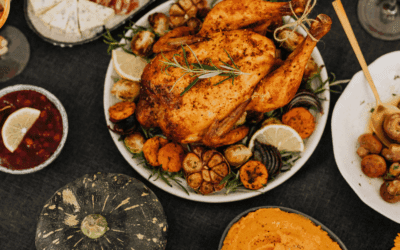

Food safety practices in restaurants depend on consistent daily execution across hygiene, temperature control, storage, prep, sanitation, and training. Regulatory compliance is the baseline, not the goal. The restaurants that manage food safety well treat it as an...
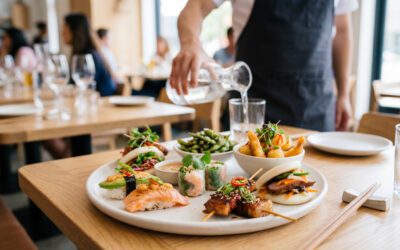
Cross-Contamination & Food Safety Resources for Restaurant Operators
Protocols and preventative strategies to reduce allergen cross-contact risks while maintaining high food safety and hygiene standards throughout your operation.
– ESSENTIAL RESOURCES
Kitchen Procedures to Prevent Allergen Exposure
Kitchen procedures to prevent allergen exposure depend on how consistently a team separates, prepares, communicates, and cleans throughout every service. Written allergen information on a menu only protects guests if kitchen execution backs it up. This article covers...
Where Should Allergenic Food Be Stored?
Allergenic food should be stored in clearly designated, segregated areas that prevent cross-contact with non-allergenic ingredients. In practice, this requires dedicated shelving or zones, sealed and labeled containers, and consistent procedures that every member of...
Staff Training for Allergen Safety
Staff training for allergen safety covers more than food allergy awareness. It depends on what staff know, what they do under pressure, and whether the systems around them support consistent execution. Training is the link between accurate allergen data and safe...
Cross-Contact vs Cross-Contamination: What Foodservice Operators Need to Know
Allergen risk and food safety risk often show up in the same places – the same prep surfaces, the same equipment, the same service flow. But they are not the same problem, and they are not controlled in the same way.
The Ultimate Restaurant Compliance Checklist (US)
Key Takeaways: Restaurant compliance covers food safety, allergen management, menu labeling, staff training, permits, and inspection readiness. For multi-unit operators, the challenge is not knowing what to do. It is doing it consistently across every location....
Preventing Allergen Cross-Contamination in Restaurants
If you run a restaurant, allergen risk is not always caused by one dramatic mistake. More often, it comes from small, ordinary breakdowns. A knife is reused during a rush. Gloves are changed, but the apron is not. A fryer that “should be fine” is shared between items....
Christmas in U.S. Restaurants: Are Your Operations Allergy-Safe?
Learn how U.S. restaurants can plan festive Christmas menus safely, manage allergen risks, and meet high holiday demand efficiently.
Thanksgiving Foodservice Success: Trends, Menus & Allergen Safety
Thanksgiving is a prime opportunity for U.S. foodservice operators to boost revenue with festive menus, catering, and takeout. Traditional favourites like turkey, stuffing, and pumpkin pie dominate menus — but holiday specials can introduce new allergen risks. Planning ahead, training staff, offering allergen-friendly options, and using digital menu systems ensures guest safety, smooth service, and high sales during the busiest holiday of the year.