

Allergen disclosure requirements for US restaurants come from multiple regulatory layers. Federal law defines which allergens must be identified. State laws like California's ADDE Act (SB-68) are raising the standard by requiring written, item-level disclosure...
ADDE Act Resources for Restaurant Operators
In-depth resources, actionable checklists, and practical guidance designed to help you understand and comply with California’s SB-68 allergen disclosure law with confidence.
Start Here
ADDE Act Explained
SB-68 Compliance Checklist
Check if Your Business Must Comply
– ESSENTIAL RESOURCES
SB-68 Compliance Checklist: How to Prepare for California’s Allergen Disclosure Law
California's SB-68 requires certain foodservice chains to provide written allergen information on menus by July 1, 2026. For operators in scope, the challenge is not just understanding the rule. It is making sure allergen information stays accurate across recipes,...
ADDE Act Explained: What California Foodservice Operators Need to Know
Starting July 1, 2026, certain foodservice chains must provide written disclosure of major food allergens in menu items. The rule comes from SB 68, which added the relevant requirements to California law. It is aimed at foodservice groups already tied to the federal...
Delivery Apps and Allergens: Who is Responsible?
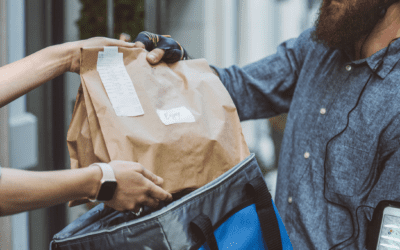
Third-party apps deliver your food — but you’re responsible for the allergen information Whether you are coordinating high-volume US delivery via DoorDash, Uber Eats, or Grubhub, the responsibility for providing accurate allergen information...
Is Your Restaurant Putting Guests at Risk? Find Out with Our Free Allergen Risk Check
Find out if your restaurant is at risk for allergen incidents. Take our quick survey to see if your operations are Low, Medium, or High risk.
Christmas in U.S. Restaurants: Are Your Operations Allergy-Safe?
Learn how U.S. restaurants can plan festive Christmas menus safely, manage allergen risks, and meet high holiday demand efficiently.
Thanksgiving Foodservice Success: Trends, Menus & Allergen Safety
Thanksgiving is a prime opportunity for U.S. foodservice operators to boost revenue with festive menus, catering, and takeout. Traditional favourites like turkey, stuffing, and pumpkin pie dominate menus — but holiday specials can introduce new allergen risks. Planning ahead, training staff, offering allergen-friendly options, and using digital menu systems ensures guest safety, smooth service, and high sales during the busiest holiday of the year.
Managing Allergens Across Multi-Location Restaurants in the US
Learn how California multi-location restaurants can centralize allergen data, train staff, and use digital tools to keep menus accurate, compliant, and safe for guests.
How Allergen Management Strengthens Customer Trust
SB-68 compliance isn’t just regulatory—it’s a tool to build customer trust. By linking vendor data, kitchen operations, and menus through real-time tracking, operators can demonstrate transparency, reduce allergy risks, and reinforce a safety-first reputation.
Sesame as One of 9 Major Allergens: How California Operators Can Update Allergen Protocols
Sesame is now a top 9 allergen under SB-68. Learn how California food operators can track sesame across recipes, menus, and vendors for compliance by 2026.